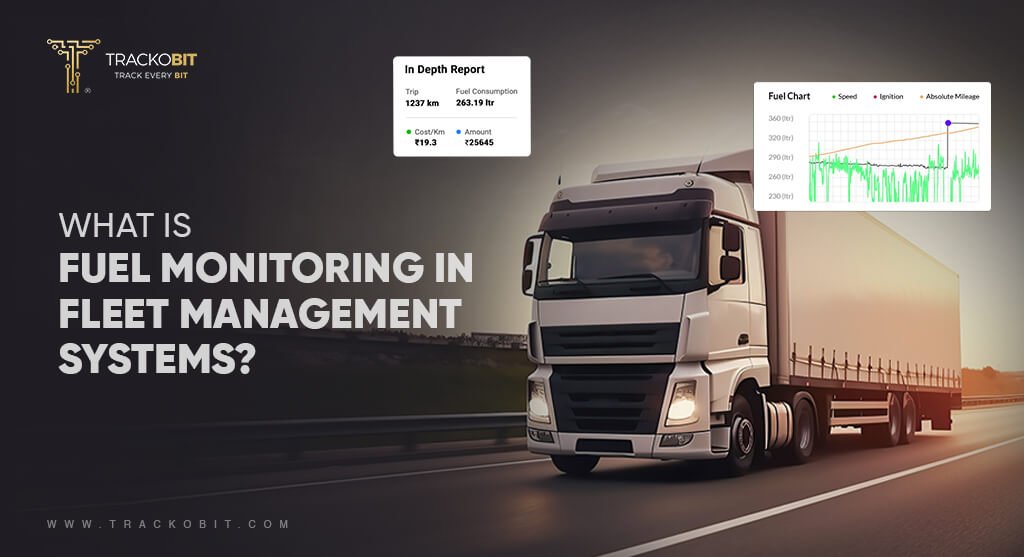
Fleet performance monitoring is the systematic process of collecting, analyzing, and acting upon data to optimize the operational and commercial efficiency of a group of vessels. It transforms raw information into actionable intelligence, driving strategic decision-making for ship owners and managers.
The practice relies heavily on digital tools and sensors that track key performance indicators (KPIs) in real-time. These metrics typically include fuel consumption, speed, engine performance, emissions, voyage efficiency, and maintenance schedules. By continuously benchmarking this data against historical trends, industry standards, or digital twins, operators can identify deviations, inefficiencies, and potential problems before they escalate.
The ultimate goals are threefold: to reduce operational costs, enhance safety and reliability, and ensure environmental compliance. For instance, monitoring fuel efficiency can lead to optimized routing and speed, cutting costs and carbon emissions simultaneously. Similarly, predictive maintenance alerts prevent costly breakdowns and off-hire time.
In today's competitive and regulated maritime industry, fleet performance monitoring is not a luxury but a necessity. It provides the transparency and control needed to improve profitability, meet sustainability targets, and maintain a competitive edge through data-driven fleet management.